
Great Property Photography Isn’t Just Aesthetic — It’s Measurable
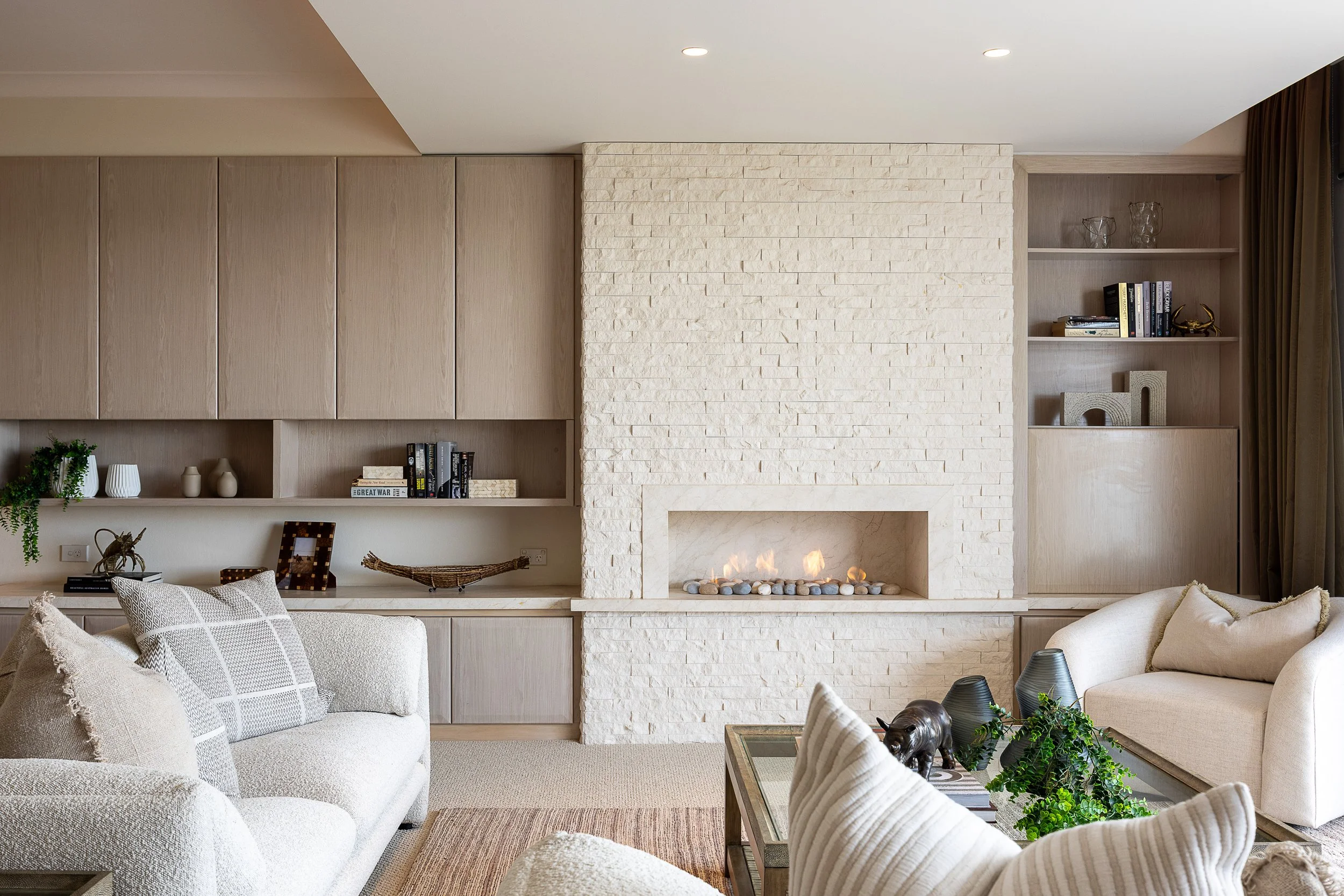
In real estate, we like to believe decisions are rational — square metres, bedroom counts, location. But in practice, buyers decide with their eyes first — and research now proves just how much that matters.
Recent academic studies analysing tens of thousands of property listings show that the visual presentation of a home directly affects both sale price and days on market. In some cases, imagery was a stronger predictor of performance than traditional listing data.
So what does that mean for agents, vendors, and developers?
It means photography isn’t decoration. It’s strategy.
The Study: Measuring Visual Impact at Scale
Researchers examined approximately 20,000 residential property listings across New York and Massachusetts. Each listing was analysed using both traditional data — such as bedrooms, bathrooms, lot size, and location — and a full set of images, including:
Interior photographs
Exterior photographs
Street-level imagery
Satellite images
Using machine learning models, they tested how much these visual factors influenced two key outcomes:
Final sale price
Days on market
The results were clear: images matter — a lot.
Clean, Considered Images Sell Better
One of the most important findings was the role of visual clarity.
The researchers measured how ordered or chaotic an image appeared — essentially how easy it was to visually process. Properties with clean, well-composed images consistently sold for more and sold faster.
In simple terms:
Clear composition, good lighting, and intentional framing reduce friction for buyers. They make a property easier to understand, easier to remember, and easier to desire.
This reinforces what good agents already know instinctively — messy, poorly shot photos quietly undermine value.
Greenery Accelerates Sales
Another strong predictor was visible green space.
Homes surrounded by trees, gardens, or open space sold faster and often at higher prices, even when size and location were held constant. Importantly, this effect came from what buyers saw in the imagery — not just what existed in reality.
If greenery wasn’t clearly captured or framed in the photography, the benefit was reduced.
This highlights the importance of thoughtful exterior shots and environmental context — not just interior documentation.
Interior Style Drives Buyer Momentum
Using advanced image analysis, the study also found that interior presentation strongly influenced how quickly homes sold.
Kitchens, living rooms, and bedrooms weren’t judged simply on size — but on perceived quality, coherence, and style. Homes with well-presented interiors generated stronger buyer engagement and reduced time on market.
This supports a shift away from purely functional photography toward imagery that communicates lifestyle, atmosphere, and design intent.
Images Outperform Some Traditional Listing Data
Perhaps the most striking outcome was this:
When visual features were added to pricing models, prediction accuracy increased to 90%.
In multiple cases, visual characteristics outperformed traditional metrics like bedroom count or lot size.
That’s a fundamental insight:
Buyers don’t just evaluate homes — they experience them visually first.
What This Means for Real Estate Marketing
The takeaway is simple but powerful:
Visual presentation doesn’t just influence perception — it influences outcomes.
Professional, intentional photography:
Increases perceived value
Reduces time on market
Improves buyer confidence
Supports stronger pricing conversations
This isn’t about making homes “look pretty.”
It’s about aligning presentation with how buyers actually make decisions.
References
Kostić, Z., et al. What Image Features Boost Housing Market Predictions? (2021), arXiv preprint.
Mehrabian, A. & Russell, J. A., An Approach to Environmental Psychology (relating visual stimuli to emotional response).
National Association of Realtors, 2023 Home Buyers and Sellers Report (photos as a critical listing factor).
